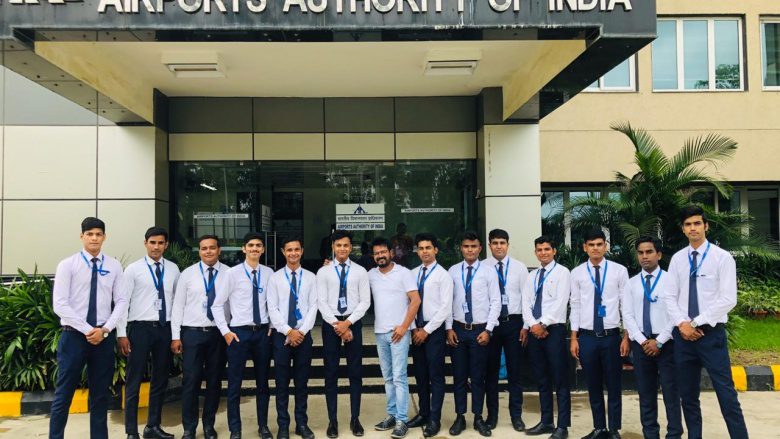
As the airline industry evolves, so does the training required to prepare the next generation of cabin crew. With new technologies and methodologies emerging, cabin crew training is becoming more effective, engaging, and aligned with the industry’s future needs. In this blog post, we explore the key trends and innovations shaping the future of cabin crew training.
1. Virtual Reality (VR) and Augmented Reality (AR) in Training
Virtual Reality (VR) and Augmented Reality (AR) are revolutionizing cabin crew training by providing immersive and interactive experiences. These technologies allow trainees to simulate real-life scenarios without leaving the classroom. VR can recreate the aircraft cabin environment, enabling cabin crew to practice emergency procedures, customer service interactions, and safety drills in a controlled setting. AR overlays digital information onto the physical world, helping trainees better understand aircraft systems and passenger needs.
2. Artificial Intelligence (AI) and Machine Learning
Artificial Intelligence (AI) and machine learning are transforming how cabin crew training programs are designed and delivered. AI can analyze vast amounts of data to identify patterns and predict outcomes, allowing for personalized training programs tailored to individual needs. Machine learning algorithms continuously improve training modules by learning from trainee performance, ensuring that the training material is always up-to-date and effective.
3. E-Learning and Online Training Platforms
The rise of e-learning and online training platforms has made cabin crew training more accessible and flexible. Trainees can now access high-quality training materials from anywhere in the world, at any time. These platforms often include interactive modules, video tutorials, and real-time assessments, making the learning process engaging and effective. Additionally, online training can significantly reduce costs and logistical challenges associated with traditional classroom-based training.
4. Advanced Cabin Simulators
Cabin simulators have long been a staple in cabin crew training, but recent advancements have taken them to new heights. Modern simulators offer highly realistic and detailed recreations of various aircraft cabins and in-flight scenarios. They can simulate everything from normal cabin operations to extreme weather conditions and emergency evacuations, providing trainees with invaluable hands-on experience. These advanced simulators are crucial in preparing cabin crew for real-world challenges and enhancing their decision-making skills.
5. Focus on Sustainable Practices
As the airline industry strives to reduce its environmental impact, sustainable practices are becoming an integral part of cabin crew training programs. Trainees are being educated on eco-friendly operations, waste management, and the importance of reducing carbon footprints. By instilling these values early on, training institutes are helping to shape a more sustainable future for the industry.
6. Blended Learning Approaches
Blended learning, which combines traditional classroom instruction with online and hands-on training, is gaining popularity in cabin crew training. This approach offers the best of both worlds, providing trainees with the flexibility of online learning and the practical experience of in-person training. Blended learning ensures that trainees receive a comprehensive education that covers both theoretical knowledge and practical skills.
7. Emphasis on Soft Skills and Human Factors
While technical skills are essential, soft skills and human factors are increasingly recognized as critical components of cabin crew training. Communication, teamwork, problem-solving, and decision-making are vital for ensuring safety and efficiency in aviation operations. Training programs are now incorporating modules on these soft skills, emphasizing their importance in creating well-rounded cabin crew professionals.
Conclusion
The future of cabin crew training is bright, with numerous trends and innovations poised to transform the industry. By embracing these advancements, training institutes can provide trainees with the knowledge and skills they need to succeed in an ever-changing landscape. Whether through VR and AR, AI and machine learning, or a focus on sustainability and soft skills, the future of cabin crew training promises to be dynamic, engaging, and highly effective.
For more information on cabin crew training courses, visit Airworld Academy.
Stay tuned to our blog for more insights into the latest trends and developments in cabin crew training!